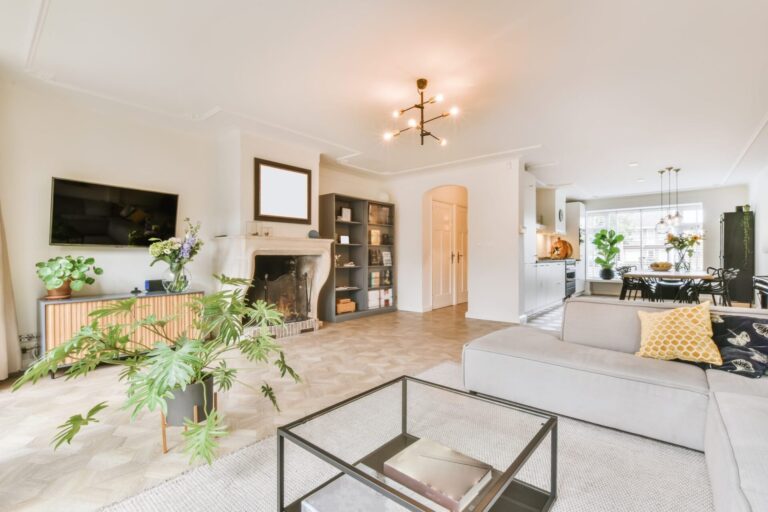
Harborne’s property landscape is defined by character. Tree-lined streets and Victorian terraces make the area one of Birmingham’s most desirable places to live. Many landlords own period homes built in the late nineteenth or early twentieth century. These properties attract strong tenant demand thanks to their generous room sizes, high ceilings and architectural detail.
However, the charm of Victorian housing also brings challenges. As the UK moves closer to stricter energy efficiency rules for rental properties, many landlords are reviewing whether their homes meet modern standards. Energy Performance Certificate (EPC) regulations and broader housing legislation are expected to play an increasing role in the private rented sector as we move through 2026.
For landlords in Harborne, this means finding practical ways to upgrade older homes without removing the features that make them desirable. With the right approach, improving energy efficiency does not mean losing character. It simply requires careful planning and informed decisions. Professional property management, which Harborne landlords trust, can play an important role in guiding these upgrades.
Why energy efficiency is becoming a priority
The government has been gradually tightening energy standards for rental homes across England. The aim is to improve housing quality, reduce carbon emissions and help tenants manage rising energy costs. As a result, landlords must pay closer attention to how efficiently their properties retain heat and use energy.
Currently, most rental homes must achieve a minimum EPC rating of E before they can be legally let. However, discussions around future legislation suggest that higher ratings may become the expectation in the coming years. For landlords with older housing stock, particularly Victorian properties, this can create uncertainty.
Period homes were not built with modern insulation or heating technology in mind. Solid brick walls, single glazing and ageing heating systems can affect energy performance. Without improvements, some homes may struggle to meet future energy efficiency requirements.
Why Victorian homes require a different approach
Victorian properties have a construction style that differs significantly from modern housing. Solid brick walls allow buildings to breathe naturally, which helps regulate moisture levels within the structure. Introducing modern insulation without understanding how the building functions can sometimes lead to unintended problems.
For example, sealing a property too tightly without proper ventilation may increase the risk of condensation or damp. This means energy efficiency upgrades must be carefully planned to maintain the balance between warmth and airflow.
Landlords who understand these structural differences are more likely to achieve successful upgrades. Improvements should focus on enhancing efficiency while respecting the building’s original design.
The first step – understand your EPC rating
Before making any changes, landlords should review the current EPC rating of their property. This document identifies how energy efficient the home is and highlights areas where improvements could be made.
The EPC report also provides recommendations such as upgrading insulation, installing more efficient heating systems or improving glazing. These suggestions help landlords prioritise improvements that will have the greatest impact on energy performance.
For many Victorian homes, relatively simple changes can significantly improve the EPC score. Understanding which improvements provide the best results allows landlords to invest wisely and avoid unnecessary expense.
Upgrade heating systems for modern efficiency
Heating systems play a major role in determining a property’s energy performance. Older boilers often operate less efficiently than modern alternatives, which increases energy use and heating costs.
Replacing an ageing boiler with a modern condensing system can improve both efficiency and tenant comfort. Smart thermostats and zoned heating controls also allow tenants to manage heating more effectively. These improvements can raise the EPC rating while making the property more attractive to prospective tenants.
For landlords managing multiple properties, scheduling heating upgrades gradually can help spread costs over time while maintaining compliance with evolving regulations.
Improve insulation without affecting character
Insulation is another key factor in improving energy efficiency. However, Victorian homes require a thoughtful approach to avoid damaging original features or affecting ventilation.
Loft insulation is often one of the most straightforward improvements. Adding insulation within the roof space can reduce heat loss significantly while leaving the property’s interior unchanged. Because heat rises naturally, improving loft insulation can make a noticeable difference to overall warmth.
Floor insulation may also be possible in properties with suspended timber floors. Insulating beneath floorboards can help reduce draughts and improve comfort for tenants while maintaining the home’s traditional appearance.
Consider secondary glazing solutions
Windows are often a concern in period homes. Original sash windows contribute to the property’s character but may allow heat to escape more easily than modern double glazing.
Replacing traditional windows is not always desirable, particularly in conservation areas where planning rules may apply. Secondary glazing offers an alternative solution. By installing a discreet additional pane inside the existing window frame, landlords can improve insulation without altering the building’s external appearance.
This approach helps maintain the architectural character that tenants appreciate while improving energy performance.
Address draughts and ventilation
Draught-proofing is one of the most cost-effective ways to improve energy efficiency in older homes. Small gaps around doors, windows and floorboards can allow warm air to escape and cold air to enter.
Sealing these gaps can improve comfort and reduce heating costs. However, it is important to maintain adequate ventilation to prevent moisture problems. Balanced ventilation ensures fresh air continues to circulate while reducing unnecessary heat loss.
Simple measures such as chimney balloons, door seals and brush strips can make a noticeable difference in day-to-day living conditions.
Why compliance goes beyond EPC ratings
Energy efficiency is only one part of the wider compliance picture for landlords. The private rented sector is experiencing a period of regulatory change, with increased attention on property condition, safety standards and tenant rights.
Landlords must ensure properties meet a wide range of requirements, including gas safety certification, electrical inspections and fire safety measures. The proposed extension of the Decent Homes Standard to the private rented sector may also introduce additional expectations around property conditions.
Managing these responsibilities can become complex, particularly for landlords with multiple properties. Staying compliant requires organisation, accurate record-keeping and an understanding of changing legislation.
The value of proactive property management
Professional property management helps landlords stay ahead of regulatory changes while maintaining high standards for tenants. A structured management approach includes regular property inspections, maintenance planning and compliance monitoring.
For landlords with older housing stock, proactive management is especially important. Period homes often require more careful maintenance than modern buildings. Identifying issues early helps prevent small problems from becoming larger and more expensive repairs.
Working with a local property management Harborne team also provides access to trusted contractors who understand how to work with traditional buildings.
Protecting the appeal of Harborne’s period homes
Victorian homes remain a major part of Harborne’s appeal. Many tenants actively search for period properties because of their character, generous layouts and established neighbourhoods. Maintaining these homes carefully helps preserve both their value and their desirability.
Energy efficiency improvements do not have to compromise this appeal. With the right upgrades, landlords can enhance comfort and reduce energy costs while retaining the features that make period homes unique.
This balance between tradition and modern efficiency is becoming an important focus for landlords across the UK.
A practical roadmap for landlords in 2026
As 2026 approaches, landlords benefit from taking a structured approach to compliance and property improvements. A practical roadmap might include reviewing EPC ratings, identifying priority upgrades and scheduling improvements over time.
Regular property inspections also help track how well upgrades are performing. This approach ensures landlords maintain compliance while managing costs effectively.
Start with a landlord health check
If you own a Victorian rental property in Harborne, now is the right time to review how prepared your home is for future energy standards. Early planning makes upgrades easier to manage and helps avoid unexpected compliance issues later.
Hunters Harborne supports landlords with expert advice, ongoing maintenance coordination and full compliance monitoring. From EPC improvements to tenant management, professional support helps ensure your property remains both compliant and desirable.
Begin with a free professional property review and valuation today
With careful planning and the right guidance, Harborne landlords can preserve the character of their period homes while meeting the expectations of modern rental living. Contact our team today.