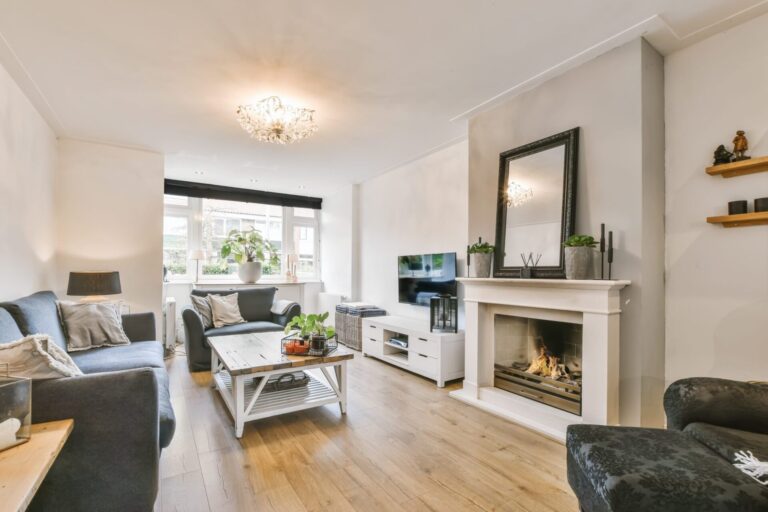
If you own a rental property in Kendal, chances are it was built long before anyone thought about energy ratings. The town’s stone terraces in Sandylands, Victorian rows in Hallgarth, and older stock in Greenside and the town centre are part of what makes LA9 such a characterful place to live. But they also come with a challenge that’s fast becoming one of the biggest issues in the lettings market: EPC ratings.
The government’s proposed legislation would require all new tenancies to have a minimum EPC rating of C by 2028, with all existing tenancies to follow by 2030. For landlords with older properties, that deadline is closer than it looks — and the cost of doing nothing could far outweigh the cost of acting now.
Why Kendal landlords need to pay attention
Nationally, around 60% of privately rented homes currently sit below an EPC C rating, according to the English Housing Survey 2024–25. In Kendal, that figure is likely higher.
Pre-1919 stone construction — common across Sandylands, the town centre, and streets off Highgate and Stricklandgate — is notoriously difficult to upgrade. Solid stone walls can’t be cavity-filled in the traditional sense, and original sash windows, high ceilings, and older heating systems all drag ratings down.
Many of these homes currently sit at a D or E. Under the proposed rules, a D or E-rated property can’t be legally let on a new tenancy from 2028. That means void periods, lost income, and potential fines of up to £30,000 per property for non-compliance.
What improvements actually move the needle
The good news is that you don’t always need a full renovation to hit a C. The right combination of targeted upgrades can make a significant difference — and some cost less than you’d expect.
Loft insulation
If your Kendal rental has an accessible loft, this is often the single most cost-effective improvement available. Installing or topping up loft insulation to 270mm typically costs between £300 and £600 and can boost an EPC rating by several points on its own. Most older properties in LA9 either have no loft insulation or levels well below current standards.
Cavity wall insulation
This applies where properties have cavity walls — typically homes built from the 1920s onwards. Streets in areas like Sandylands and parts of Greenside include a mix of property ages, so it’s worth checking your specific build date. Where eligible, cavity wall insulation costs roughly £400 to £1,000 and can push a D-rated home towards a C.
For solid stone walls — which are far more common in Kendal’s older town centre stock — internal or external wall insulation is the alternative. This is more disruptive and more expensive, typically £8,000 to £25,000 depending on the approach, but it can deliver the biggest rating improvements for the hardest-to-treat homes.
Heating system upgrades
Replacing an old gas boiler with a modern, A-rated condensing boiler is a reliable way to improve an EPC score. Costs range from around £2,000 to £4,000 installed.
Air source heat pumps are increasingly relevant under the government’s net zero trajectory and can significantly improve EPC ratings. Installation costs typically run from £7,000 to £13,000, though the Boiler Upgrade Scheme currently offers a £7,500 grant – bringing the net cost down considerably for eligible properties.
Windows, doors, and draught-proofing
Upgrading single-glazed windows to double or secondary glazing improves both the rating and tenant comfort. Secondary glazing is often a more sympathetic option for period properties in conservation-sensitive parts of Kendal and costs considerably less than full replacement.
What it costs to go from D to C
There’s no single answer — it depends on your property type, its current condition, and which measures apply. But as a rough guide:
For a typical Victorian terrace in Hallgarth or Sandylands with loft insulation, a new boiler, and some draught-proofing, a total spend of £3,000 to £6,000 is a realistic ballpark to reach a C.
For harder-to-treat solid stone properties, the cost rises — but so does the case for acting early. Spreading upgrades across two or three years is far more manageable than facing a compliance deadline with no budget in place.
It’s also worth noting that energy-efficient homes attract stronger tenant demand. Tenants are increasingly aware of running costs, and a C-rated property in LA9 is a more competitive let than a D or E equivalent on the same street.
The financial case for acting early
Think about what a void period actually costs. At average Kendal rents of around £750 to £900 per month for a two-bedroom property (latest available local market data), even four weeks without a tenant is a significant loss.
Landlords who improve now — rather than at the last minute — avoid the premium that comes with rushed contractor bookings, benefit from available grant funding, and protect their rental income throughout the transition period.
For portfolio landlords with multiple properties across LA9, phasing improvements property by property over the next two years is a sensible strategy. Hunters Kendal can help you prioritise based on current ratings, tenancy timelines, and likely upgrade costs.
How to find out where your property stands
Every property with a valid EPC has its certificate listed on the government’s EPC register at GOV.UK. If your certificate is more than 10 years old, it’s out of date and won’t reflect any improvements you’ve made — or count as valid under the new rules.
Commissioning a fresh EPC assessment (typically £60 to £120) is a sensible starting point. It gives you a current baseline, identifies the specific measures that would improve the rating, and flags the estimated cost of each one.
What Hunters Kendal recommends for landlords right now
Whether you own one rental property or a portfolio spread across LA9 postcodes, the steps are the same:
- Check your current EPC rating and expiry date.
- If it’s a D or E or expired, get a new assessment booked.
- Identify the most cost-effective improvements for your specific property type.
- Look into available grants — the Boiler Upgrade Scheme and the ECO4 scheme may apply.
- Plan the work around your tenancy calendar to minimise disruption.
The 2028 deadline for new tenancies will arrive faster than expected. Landlords who act in 2026 will be in a far stronger position — financially and legally — than those who wait.
Hunters Kendal works with landlords across Sandylands, Hallgarth, Greenside, and the wider LA9 area to manage lettings compliantly and proactively. If you’re unsure where your portfolio stands, get in touch with the team today and let’s work through it together.
Book a rental valuation with Hunters Kendal and find out exactly what your property is worth in today’s market — and what steps could improve its long-term performance.
Ready to talk? Contact the Hunters Kendal branch directly to speak with a local lettings expert who knows the LA9 market inside out.
Here to get you there.