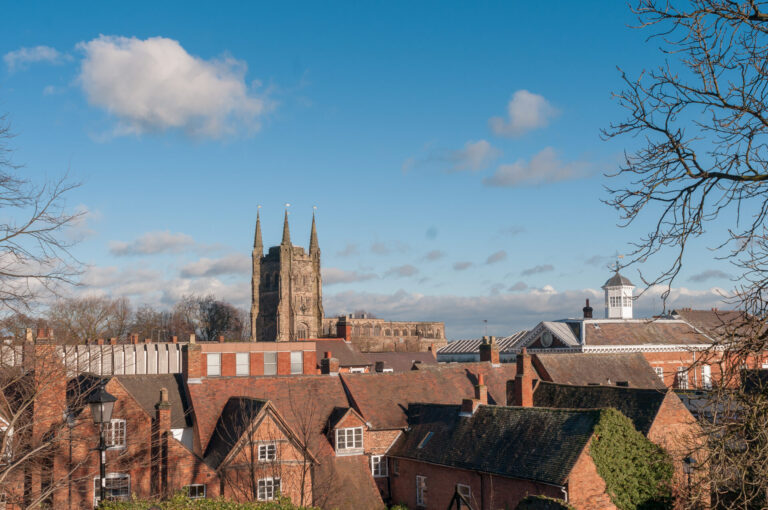
In spring 2026, the final phase of Tamworth’s regeneration began with the restoration of Grade II listed properties on Market Street. This signals a wider shift towards heritage protection and higher standards for older homes across the town.
For landlords with period properties, this brings both opportunity and responsibility. New grant support is emerging, while the Renters’ Rights Act continues to tighten expectations around safety, energy efficiency and property conditions.
Balancing compliance with character is now central to successful property management in Tamworth.
If you own an older rental property and want to understand how 2026 regulations apply to you, book a landlord compliance review with Hunters Tamworth to assess your current position.
Why Tamworth’s heritage focus matters
The restoration of Market Street reinforces the value of Tamworth’s historic buildings. Improved façades, conservation-led upgrades and investment in the town centre strengthen the appeal of period homes.
For landlords, this creates several advantages:
- Stronger tenant demand for character properties
- Greater long-term value stability
- Increased scrutiny of external alterations and upgrades
Tenants increasingly seek homes with original features such as sash windows, fireplaces and high ceilings. At the same time, they expect warmth, safety and modern functionality.
The objective is not to modernise beyond recognition but to upgrade sensitively.
Understanding 2026 rental standards
The Renters’ Rights Act continues to raise expectations across the private rented sector. For period homes, the most relevant areas include:
- Clear safety compliance and enforcement
- Higher repair and maintenance standards
- Ongoing pressure to improve EPC ratings
Older properties often face challenges with solid walls, traditional windows and ageing heating systems. However, listed or conservation properties may have different considerations where changes affect historic fabric.
Professional oversight ensures you meet modern standards without breaching conservation rules.
If you are unsure whether your property qualifies for exemptions or requires specialist improvement measures, speak to Hunters Tamworth for guidance on compliant upgrades for heritage homes.
2026 grants and funding opportunities
With the final regeneration phase underway, funding streams linked to heritage preservation and energy improvement are becoming more visible.
Depending on eligibility, landlords may access:
- Grants for façade restoration
- Support for traditional window repair
- Assistance with sympathetic insulation measures
- Advisory schemes linked to conservation areas
Grant applications often require documentation and timing coordination. Early planning improves eligibility and avoids rushed compliance decisions.
How to upgrade without losing character
Effective property management Tamworth in 2026 means improving performance while retaining authenticity.
Heating systems are often the first area to review. Upgrading to a modern condensing boiler and installing smart heating controls can improve efficiency without altering the property’s appearance.
Insulation requires a careful approach. Loft insulation is typically straightforward, while internal wall systems may need specialist input to avoid damp issues. The wrong method can damage both fabric and value.
Windows are another sensitive area. Original timber sash windows are often repairable. Draught-proofing and secondary glazing can significantly improve comfort while maintaining heritage aesthetics.
Regular roof maintenance, gutter clearance and damp prevention also protect long-term value. Preventative care reduces emergency repair costs and supports tenant satisfaction.
Protecting yield in heritage homes
Some landlords assume period properties are harder to manage profitably. In reality, well-maintained heritage homes often attract stable tenants who value character and location.
Tenants are typically drawn to:
- Central settings near amenities
- Unique architectural features
- Larger room proportions
- Established neighbourhood surroundings
When improvements enhance warmth and safety without removing charm, rental performance strengthens.
Energy upgrades can also reduce void periods. Tenants are increasingly conscious of running costs and prefer homes that balance historic character with modern efficiency.
Avoiding costly heritage mistakes
Poorly planned upgrades can create long-term issues. Common risks include:
- Installing unsuitable modern windows
- Removing original features unnecessarily
- Failing to consult conservation guidance
- Adding insulation without proper ventilation planning
These errors may reduce value and create compliance complications.
Structured, informed management avoids these pitfalls and protects both income and asset integrity.
Planning ahead for 2026 and beyond
Tamworth’s regeneration reinforces confidence in the town’s historic core. Period properties remain an important part of the local rental market.
Landlords who take a proactive approach should:
- Review current EPC performance
- Assess safety compliance
- Explore grant eligibility
- Plan phased, sensitive upgrades
This approach protects yield while preserving heritage.
If you would like a clear strategy for managing your period rental under the new 2026 framework, arrange a property management consultation with Hunters Tamworth today and ensure your heritage home remains both compliant and profitable.
With the right balance of conservation and compliance, Tamworth’s period rentals can continue to deliver strong, sustainable returns.