Why York’s Period Homes Are Under New Scrutiny in 2026
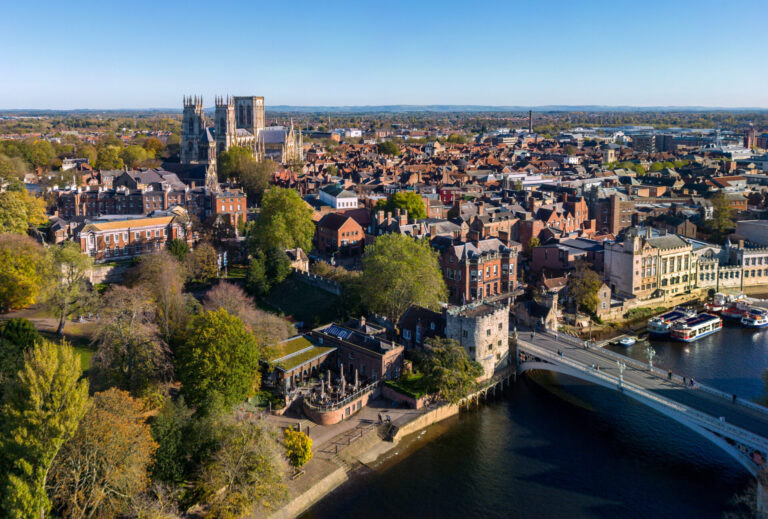
York’s historic streets are part of what makes the city such a desirable place to live. Victorian terraces in Bishophill and the elegant period homes around Bootham continue to attract buyers who value character and craftsmanship. However, these homes also come with familiar challenges. Cold rooms, rising heating bills and poor energy performance have long been accepted as part of owning a period property.
In 2026, that acceptance is fading. Buyers are still drawn to character, but they are far less willing to compromise on comfort and efficiency. Recent sales data from across York shows that period homes which have been sensitively upgraded for energy efficiency are now achieving sale prices around eight per cent higher than comparable homes that have not been improved. This shift is reshaping how buyers value heritage property.
If you are considering selling and find yourself thinking “sell my house in York”, understanding this change could make a significant difference to both your sale price and how quickly your home sells.
The Rise of the Energy-Conscious Heritage Buyer
York has always attracted informed buyers, many of whom actively seek out period homes. What has changed is how those buyers assess long-term liveability Energy costs remain a concern, and buyers are more aware of how difficult and disruptive retrofitting can be once they have moved in.
Rather than viewing energy efficiency as a future project, many buyers now see it as part of the purchase decision itself. Homes that demonstrate thoughtful upgrades signal that the property has been cared for and adapted responsibly. This reassurance is increasingly influencing buyer confidence and willingness to pay more.
Understanding the 8% Premium in York’s Market
The eight per cent price premium seen in early 2026 is not driven by cosmetic changes or modern finishes. It is linked to confidence. Buyers are comparing similar terraces and making clear distinctions between homes that feel ready to live in and those that feel like a commitment to future work.
When a home has already addressed heat loss, draughts and inefficiency, buyers avoid immediate disruption and unexpected costs. That sense of certainty often translates into stronger offers and fewer price negotiations. In a competitive market, this can have a noticeable impact on the final sale figure.
What Sensitive Eco-Retrofitting Really Means
For York buyers, eco-retrofitting is not about changing the soul of a home. It is about improving how it performs while respecting its history. Heavy-handed alterations can raise red flags, particularly in conservation areas. Sensitive retrofitting takes a more measured approach, improving comfort in ways that feel appropriate to the building’s age and materials.
Homes that strike this balance tend to resonate most strongly with buyers who want character without compromise.
Internal Wall Insulation Without Altering Character
One of the most effective upgrades for York’s Victorian terraces is internal wall insulation. Because many of these homes have solid walls, cavity insulation is not an option. Internal insulation provides a solution that improves thermal performance without changing the external appearance of the property.
When breathable materials are used and the work is done properly, internal wall insulation can dramatically reduce heat loss while protecting the building’s structure. Buyers may not immediately notice the insulation itself, but they feel the difference in warmth and comfort during viewings, which often leaves a lasting impression.
Heritage Glazing and the Value of Original Windows
Original sash windows are a defining feature of many York homes, and buyers are often reluctant to see them replaced. However, they are also aware of the drawbacks, particularly in terms of heat retention and noise.
Heritage glazing solutions, such as secondary glazing or slim-profile double glazing designed for period frames, offer a compromise that buyers increasingly appreciate. These upgrades improve comfort while preserving the look and proportions of traditional windows. For many buyers, this removes a major concern without sacrificing the character they are paying for.
How Buyers View EPC Ratings in Period Homes
EPC ratings still play a role in buyer decision-making, even when viewing historic property. Buyers do not expect Victorian terraces to match the performance of new-build homes, but they do expect progress.
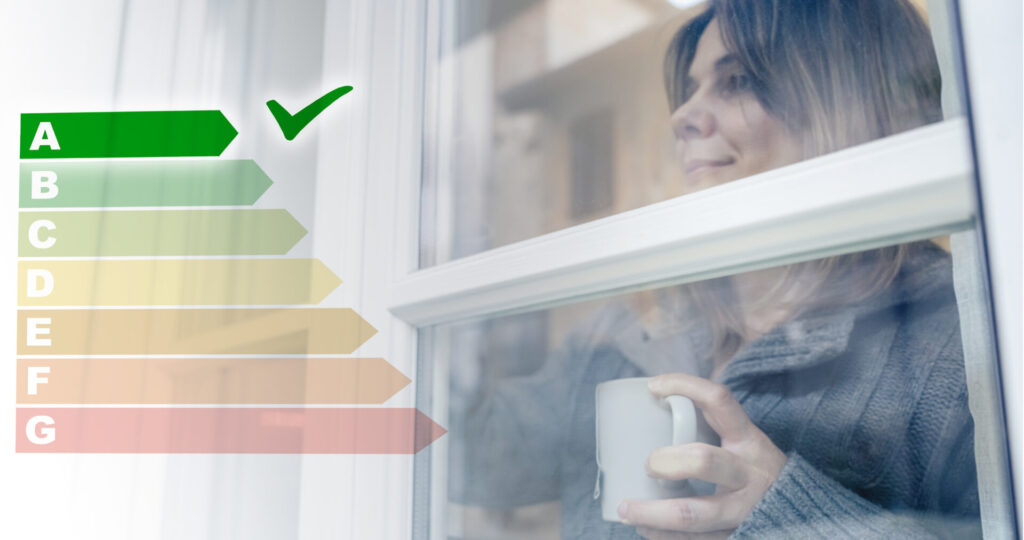
An improved EPC rating, supported by evidence of thoughtful upgrades, reassures buyers that a home is manageable and future-proofed. In contrast, homes sitting at the lowest EPC bands often trigger concerns about running costs and future improvement requirements, which can affect offers.
Avoiding the Pitfalls of Over-Modernisation
One of the biggest risks when upgrading a period home is doing too much or doing the wrong kind of work. York buyers are quick to spot alterations that feel out of place, whether that is inappropriate materials or the loss of original features.
Sensitive retrofitting focuses on retention rather than replacement. Original fireplaces, cornicing and floorboards remain important selling points. When these features are combined with discrete energy improvements, buyers feel they are getting the best of both worlds.
Faster Sales Through Buyer Confidence
The benefits of energy upgrades extend beyond price alone. Homes that have been sensitively improved often sell more quickly, as buyers raise fewer objections during viewings. When there is no immediate list of required work, decisions tend to be made with greater confidence.
For sellers, this can mean a smoother process, fewer renegotiations and less uncertainty once the property is on the market.
What If Major Upgrades Are Not an Option?
Not every seller has the time or budget to carry out extensive work before selling. Buyers understand this, but they respond best to honesty and clarity.
Clear records of previous improvements, transparent explanations of what has been done, and evidence of good maintenance all help build trust. Even smaller measures, such as upgraded heating controls or improved loft insulation, can positively influence buyer perception when communicated clearly.
Preparing to Sell a Period Home in 2026
Preparation remains one of the most important factors in achieving a strong sale. Understanding which upgrades add value, how similar homes nearby are performing, and what today’s buyers prioritise can help sellers make informed decisions. This avoids unnecessary spending while ensuring any improvements made genuinely support the sale rather than complicate it.
Why Local Knowledge Matters in York
York’s property market is highly localised. Buyer expectations can vary significantly between areas such as Bishophill, Bootham and even between neighbouring streets. Advice that works elsewhere does not always apply here. Local insight helps sellers understand how energy efficiency is affecting buyer behaviour in their specific area, which can influence both pricing and presentation.
Heritage and Energy Efficiency Can Co-Exist
The York market in 2026 is showing that heritage and energy efficiency are no longer opposing forces. Buyers are actively rewarding homes that respect their history while adapting for modern living. Period homes that balance character with comfort are achieving stronger prices, faster sales and more confident buyer engagement.
How Hunters York Can Help
If you are thinking about selling and wondering how your home fits into this changing market, clarity is the best place to start. At Hunters York, local insight helps you understand how your property compares to others nearby and whether sensitive upgrades could strengthen its appeal. Contact us
A free, no-obligation valuation provides a clear picture of your home’s current market position, helping you move forwards with confidence. Selling a period home is not just about listing it. It is about understanding what makes it special and how to present it in a way today’s buyers truly value.