Harrogate has always attracted buyers who appreciate character. The stone-built Victorian terraces of HG1, with their bay windows and period detail, remain some of the town’s most desirable homes. Yet in 2026, a new factor is shaping buyer decisions. Energy performance is no longer a quiet footnote on a brochure. It is influencing offers, negotiation and, in some cases, whether a property sells at all.
The gap between an EPC-C and an EPC-E rated terrace in HG1 has widened to an average of £18,000. That figure reflects a clear message from the market. Buyers are pricing in the cost, disruption and uncertainty of future energy upgrades. If you are thinking, “Should I sell my house in Harrogate this year?” It is worth understanding how this green dividend works and how to protect your equity before 2026 energy metrics are finalised.
Why EPC ratings matter more in 2026
EPC ratings have existed for years, but their influence has grown steadily. In 2026, buyers are more aware of running costs and future regulation than ever before. Mortgage lenders are also factoring energy efficiency into risk models and affordability assessments. This means a low rating does not just affect heating bills. It can shape buyer confidence and borrowing capacity.
In Harrogate, where period homes dominate parts of HG1, many properties sit at EPC D or E. These homes are beautiful, but they can be draughty and less efficient than modern builds. When two similar terraces come to market, and one is rated C while the other is E, buyers often calculate the difference in upgrade costs before making an offer. That calculation is where the £18,000 value gap emerges.
If you plan to sell my house in Harrogate in the next 12 to 24 months, understanding this shift is essential. The right upgrades can protect value rather than erode it through price negotiation.
The unique challenge of Harrogate’s Victorian terraces
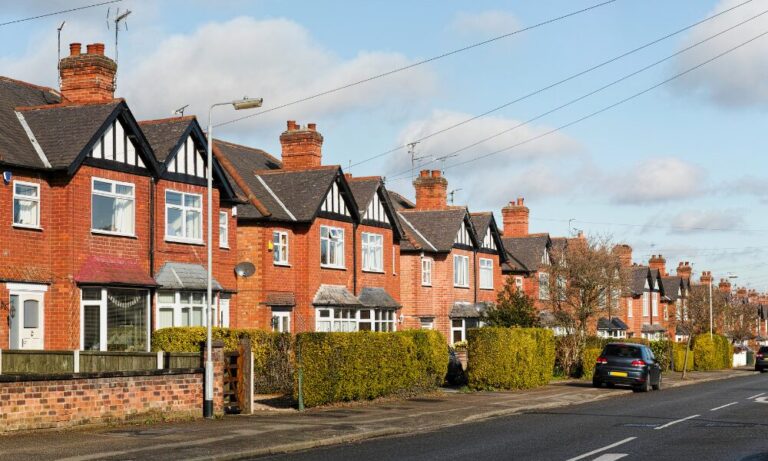
Stone-built Victorian terraces are part of Harrogate’s identity. Thick walls, high ceilings and original features create strong kerb appeal. However, these same features can make energy improvements more complex. Solid walls without cavities, older sash windows and ageing heating systems often hold back EPC scores.
The good news is that improvement does not have to mean losing character. A thoughtful “Retro-Green” approach focuses on sympathetic upgrades. The aim is to enhance efficiency while preserving the period charm that buyers love. In HG1, this balance is crucial. Heavy-handed changes can undermine aesthetic value, while subtle upgrades can enhance both comfort and saleability.
The key is to view energy performance as part of your overall presentation strategy, not as an afterthought.
Understanding the £18,000 value gap
The widening gap between EPC-C and EPC-E homes is not arbitrary. Buyers are responding to three main concerns. First, rising energy costs make efficiency a practical financial issue. Second, future legislation is expected to tighten minimum standards, particularly in the private rental sector. Third, disruption from retrofit works can be inconvenient for new owners.
When a property is already at EPC C, buyers feel reassured. They see lower immediate costs and reduced regulatory risk. When a property is EPC E, they factor in insulation, boiler replacement or window upgrades. Those projected costs often appear as reduced offers. In some cases, surveyors highlight energy performance as a reason to renegotiate.
By closing that efficiency gap before listing, you can shift the conversation from “what needs doing” to “what’s already been done.” That shift can directly influence the achieved price.
A tactical Retro-Green guide for HG1 homes
Improving energy performance in a Victorian terrace requires careful planning. Loft insulation is often the most straightforward starting point. Many older properties still lack adequate insulation depth. Increasing this can improve EPC scores without altering the home’s appearance. It is a relatively low-disruption upgrade with measurable impact.
Heating systems also play a central role. Replacing an ageing boiler with a modern, efficient model can lift ratings and reduce running costs. Smart thermostats and zoned heating controls further enhance performance. These improvements are attractive to buyers because they offer visible, practical benefits.
Windows are more sensitive in conservation-minded areas. Where original sash windows remain, secondary glazing can provide thermal gains without compromising character. In some cases, high-quality double-glazed timber replacements that replicate original detailing are appropriate. The goal is to improve performance while respecting the architectural integrity of the terrace.
Solid wall insulation and ventilation
Solid wall insulation is often discussed in relation to Victorian homes. Internal insulation can improve efficiency, but it requires careful installation to avoid moisture issues. External insulation is usually unsuitable in HG1 due to aesthetic considerations. This is where expert advice becomes vital. A poorly executed retrofit can create damp problems and reduce appeal.
Ventilation is equally important. As properties become more airtight, managing airflow prevents condensation and mould. Trickle vents, extractor fans and well-designed ventilation systems support long-term property health. Buyers in 2026 are increasingly aware of these details, especially when survey reports highlight them.
Approaching insulation and ventilation as part of a holistic plan protects both comfort and value. It ensures upgrades add equity rather than unintended complications.
Protecting equity before you sell
If you are considering whether to sell my house Harrogate in the next year, timing matters. Making targeted upgrades before marketing can enhance both EPC rating and buyer perception. Once a property is on the market, reactive improvements often feel rushed and less strategic.
Energy improvements should sit alongside cosmetic presentation. Fresh décor, well-maintained stonework and tidy outdoor spaces still influence first impressions. However, in 2026, buyers increasingly look beyond aesthetics. They want reassurance that the home is efficient, future-ready and responsibly upgraded.
At Hunters Harrogate, we provide clear advice on which improvements are likely to influence valuation most strongly. You can arrange a tailored property appraisal here: Book a free valuation with us today
How buyers in 2026 are thinking
Harrogate buyers remain drawn to period charm, but they are also practical. Many are relocating from larger cities where energy performance standards are already high. They compare properties not just on location and layout, but on projected running costs and environmental impact.
When viewing two similar HG1 terraces, buyers often request EPC details early. If one property demonstrates thoughtful upgrades and an improved rating, confidence rises. That confidence can translate into stronger offers and smoother transactions. Conversely, uncertainty around future upgrade costs can stall negotiations.
Understanding buyer psychology helps you prepare effectively. Energy efficiency is now part of the story you tell about your home.
The role of professional guidance
Energy metrics and legislation can feel complex. Requirements evolve, and not all improvements deliver equal value. This is where professional support matters. At Hunters Harrogate, we combine local market insight with practical guidance on preparation and compliance.
If you are asking, “Should I sell my house in Harrogate now or wait?” we can assess how your current EPC rating may influence pricing. We also help you weigh the cost of improvements against potential value uplift. In many cases, targeted investment can narrow or eliminate the £18,000 value gap.
Our approach is straightforward and evidence-based. We focus on practical steps that align with buyer demand in HG1 and across Harrogate.
The green dividend in action
The concept of a green dividend is simple. By improving energy performance, you protect and potentially enhance your property’s value. In 2026, that dividend is tangible. Buyers are actively penalising low ratings and rewarding efficient homes. In a competitive market, that distinction can define whether a sale achieves the full asking price.
Harrogate’s Victorian terraces will always be sought after. Their character, location and history are enduring strengths. Yet protecting their value now requires attention to energy performance. Sensitive, well-planned upgrades can preserve charm while strengthening your market position.
If you are planning to sell my house in Harrogate, now is the time to review your EPC rating and consider a strategic Retro-Green approach. Speak to Hunters Harrogate for clear, local advice and a tailored valuation that reflects both character and efficiency. Arrange your consultation here – Contact our team now
In 2026, the green dividend is real. Protecting your equity today could make a measurable difference to your final sale price tomorrow.