Bradford has always been known for offering strong value. Compared with many neighbouring areas, rental prices remain competitive and accessible. However, in 2026, the conversation has shifted. Affordability alone is no longer the deciding factor for tenants. Instead, a new dividing line has emerged – energy efficiency.
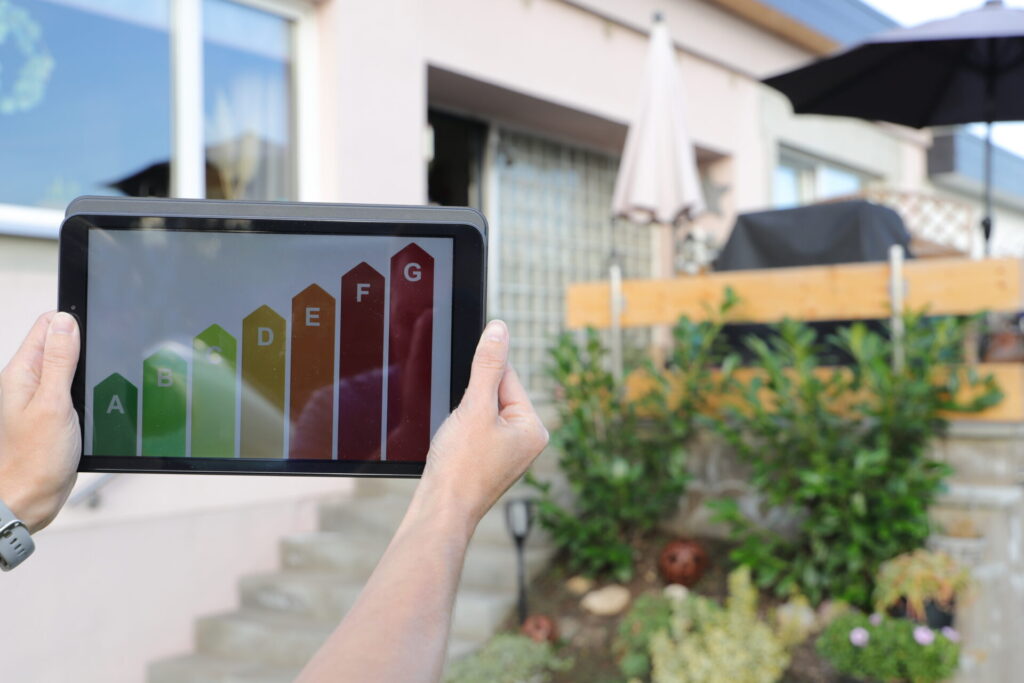
Recent local data shows that properties with EPC ratings of B or C are achieving rents approximately 12% higher than similar homes sitting at D or below. That difference isn’t about décor or postcode. It reflects something far more practical: the cost of living inside the property.
If you own a Victorian terrace in BD8 or BD9, this change matters. It presents a clear opportunity – not through expensive refurbishment, but through targeted, sensible “retro-green” upgrades that improve performance without stripping away character.
The Utility Cost Gap Is Reshaping Tenant Decisions
Energy costs remain front of mind for renters. Even as wider economic pressures fluctuate, tenants are increasingly calculating their total monthly outgoings, not just their rent. Two homes on the same street can now produce very different overall living costs depending on insulation, heating efficiency and ventilation quality.
When tenants see a property with a stronger EPC rating, they interpret it as lower bills, fewer surprises and a warmer winter. That reassurance has financial value. It explains why higher-performing homes are letting more quickly and sustaining higher rents. The 12% premium we’re seeing isn’t speculative – it reflects a measurable shift in how tenants assess value.
Why BD8 and BD9 Terraces Are at the Centre of the Shift
Bradford’s Victorian terraces dominate areas such as BD8 and BD9. These homes are solidly built, well located and full of character. However, many were constructed long before modern insulation standards existed. Solid brick walls, limited loft insulation and ageing heating systems are common features.
The challenge isn’t that these homes are unsuitable – it’s that they need careful updating. The positive news is that most terraces in these areas can be improved without major structural change. In many cases, relatively modest interventions are enough to improve comfort and raise EPC scores to the level tenants now prioritise.
What Tenants Expect in 2026
Tenants are not expecting period properties to perform like brand-new builds. What they are looking for is evidence that the home has been thoughtfully maintained. They want to know that heat won’t escape unnecessarily, that condensation won’t become an ongoing issue, and that their energy bills won’t feel unpredictable.
When improvements are visible – or clearly documented – tenants approach the property with more confidence. That confidence translates into stronger offers, faster decisions and greater willingness to accept rent levels aligned with current market growth.
Loft Insulation: The Quiet Performer
One of the most effective starting points for many local terraces is loft insulation. In numerous properties, insulation levels remain well below modern recommendations. Increasing insulation thickness can significantly improve heat retention without altering the property’s appearance.
This type of upgrade is cost-effective and minimally disruptive, yet it contributes meaningfully to EPC improvements. For landlords, it represents one of the clearest cost-to-benefit ratios available. For tenants, it simply means warmer rooms and lower heating demand – something they notice immediately.
Heating Controls and Modern Efficiency
Replacing a boiler isn’t always necessary to improve performance. In many cases, upgrading heating controls provides measurable benefit. Smart thermostats and programmable systems allow tenants to regulate heating more efficiently, reducing waste and increasing comfort.
From a tenant’s perspective, modern controls signal that the property is up to date. From a landlord’s perspective, they offer improved energy efficiency without excessive capital expenditure. These relatively modest adjustments can play a significant role in supporting higher rental values.
Tackling Draughts Without Losing Character
Victorian terraces are known for their architectural charm, but that charm sometimes comes with draughts. Sealing gaps around doors, addressing window seals and improving underfloor insulation can reduce heat loss considerably.
These measures are subtle and often invisible once completed, yet they make a noticeable difference to internal comfort. Importantly, they preserve the character features that tenants value while quietly enhancing performance. The goal isn’t transformation – it’s refinement.
Secondary Glazing as a Balanced Solution
Original windows are part of what gives Bradford terraces their appeal. Fully replacing them can be costly and may detract from period aesthetics. Secondary glazing offers a more balanced alternative. It improves thermal performance and reduces noise while maintaining the external appearance of the property.
For tenants, the result is simple: improved warmth and a quieter living environment. For landlords, it strengthens EPC ratings and enhances appeal without overcapitalising.
Damp, Ventilation and Tenant Confidence
Condensation issues in older terraces are often a product of inadequate ventilation combined with insulation gaps. Installing effective extractor fans in kitchens and bathrooms, ensuring airflow pathways remain open and addressing minor moisture concerns early can prevent larger problems.
Tenants increasingly view damp as a red flag. A property that feels dry, fresh and well ventilated is far more attractive than one that shows even minor signs of recurring condensation. Addressing these issues proactively not only protects the building but also supports faster lettings and smoother rent negotiations.
Justifying Rent Increases with Evidence
Rent reviews in 2026 require more than market comparison. Tenants respond positively when increases are supported by tangible improvements. If your property has moved from an EPC D to a C, that shift represents measurable added value.
When tenants see that upgrades have been made – particularly those that reduce their bills – rent discussions become more straightforward. Evidence replaces assumption. This approach aligns with best practice in local property management, where clear communication and documented improvements protect both landlord and tenant interests.
The Hidden Advantage: Reduced Voids
The 12% rental premium is only part of the story. Efficient homes are also experiencing shorter void periods. In competitive markets, the properties that feel “ready” are the ones that let first.
Reducing even one vacant month over the course of a year can significantly offset the cost of energy upgrades. In this way, retro-green improvements strengthen yield not just through rent levels but through occupancy stability.
Avoiding Unnecessary Expenditure
While energy efficiency matters, overcapitalising does not. The aim is to meet tenant expectations, not exceed them with luxury interventions that won’t generate proportionate return.
Incremental improvements – loft insulation, heating controls, ventilation upgrades – often deliver the most reliable results. Focusing on these practical measures ensures that investment remains aligned with achievable rent growth.
Looking Ahead: Compliance and Futureproofing
Energy performance is not a short-term trend. Regulatory expectations are likely to tighten over time, and tenants will continue prioritising efficiency. Acting now allows landlords to plan upgrades gradually rather than reacting under pressure.
Properties that perform well today will be better positioned for future compliance requirements. Taking a proactive approach protects both income and long-term asset value.
How Hunters Bradford Can Help
Understanding which improvements genuinely influence rental performance requires local knowledge. In BD8 and BD9, no two terraces behave identically. What works on one street may need adjustment on another.
At Hunters Bradford, our approach to property management is rooted in current data and practical experience. We assess your property’s existing EPC position, compare it to similar homes locally and provide straightforward advice about where improvements will deliver the greatest return. Book a valuation with us now
If you’d like to understand how your property compares in today’s market and whether you’re currently achieving the 12% premium available to higher-performing homes – a rental review is the first step. You’ll gain clarity, not pressure, and insight grounded in what is actually happening in the local market right now. Contact us
Energy efficiency in 2026 isn’t a cosmetic extra. It’s influencing valuation, rent levels and tenant choice. With the right strategy, your Victorian terrace can remain both characterful and competitive and positioned to thrive in the years ahead.